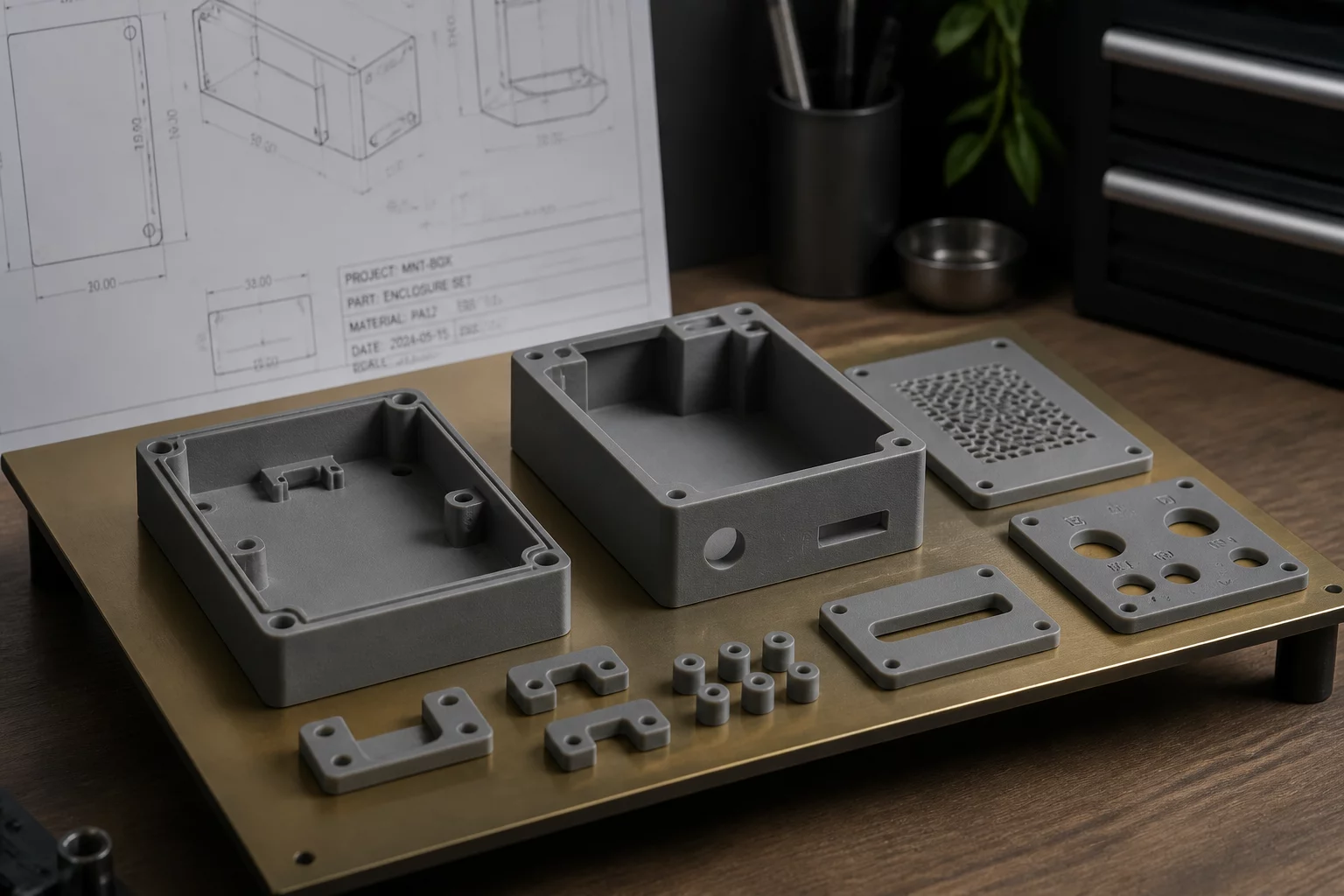
Fourteen Parts Do Not Need to Share One Plate
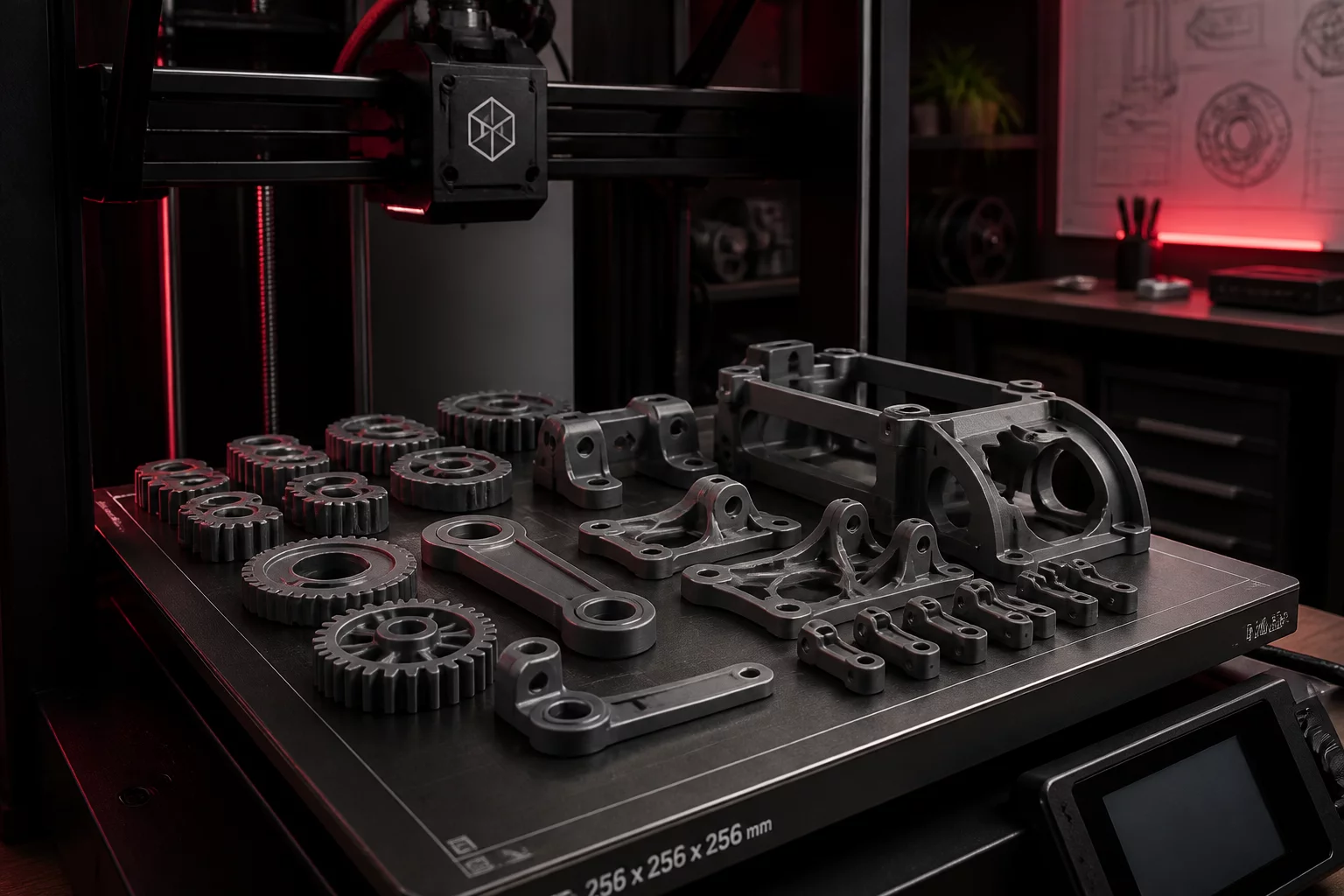
Why jamming 14 parts into a single build plate increases failure risk and slows down mechanical assembly.
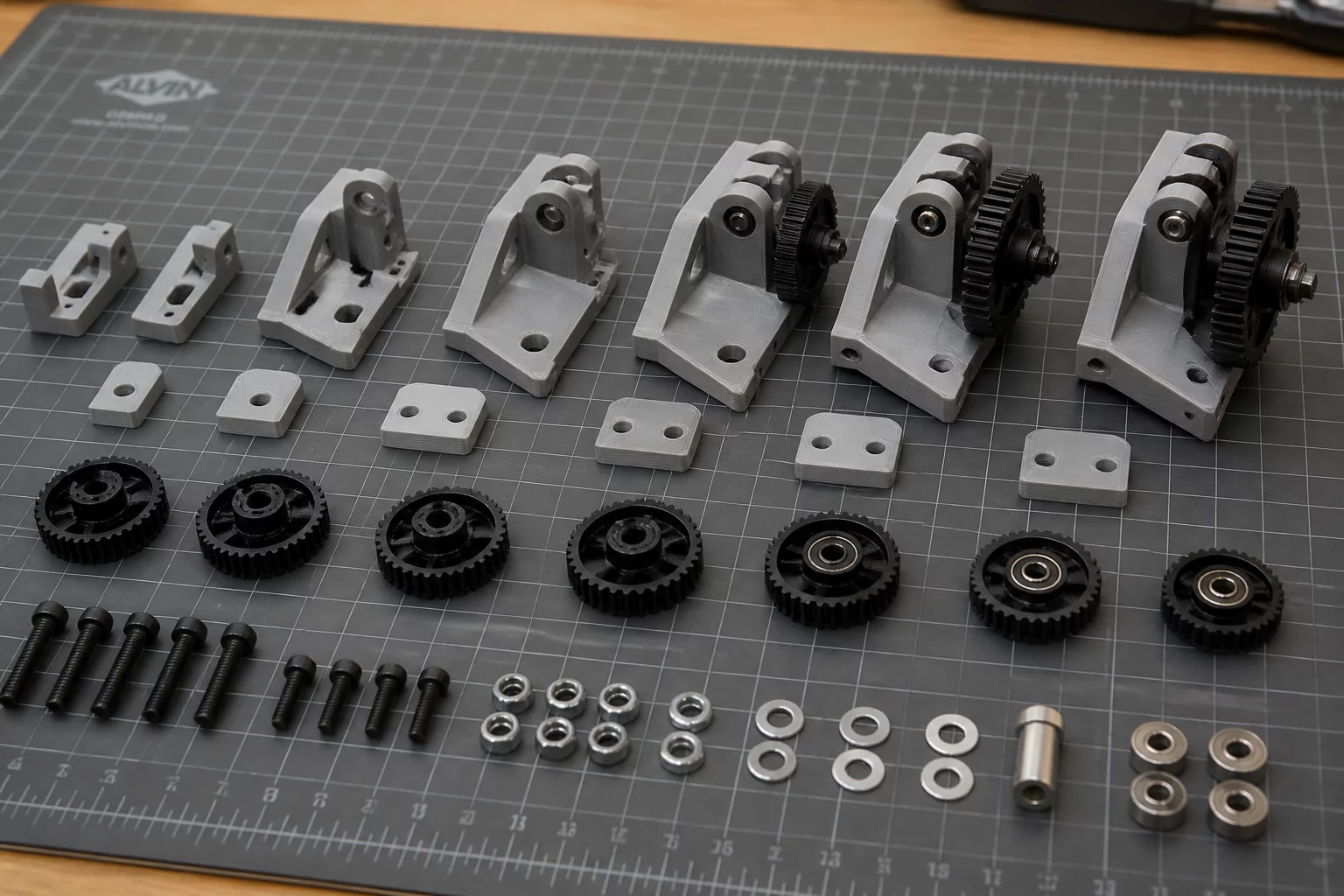
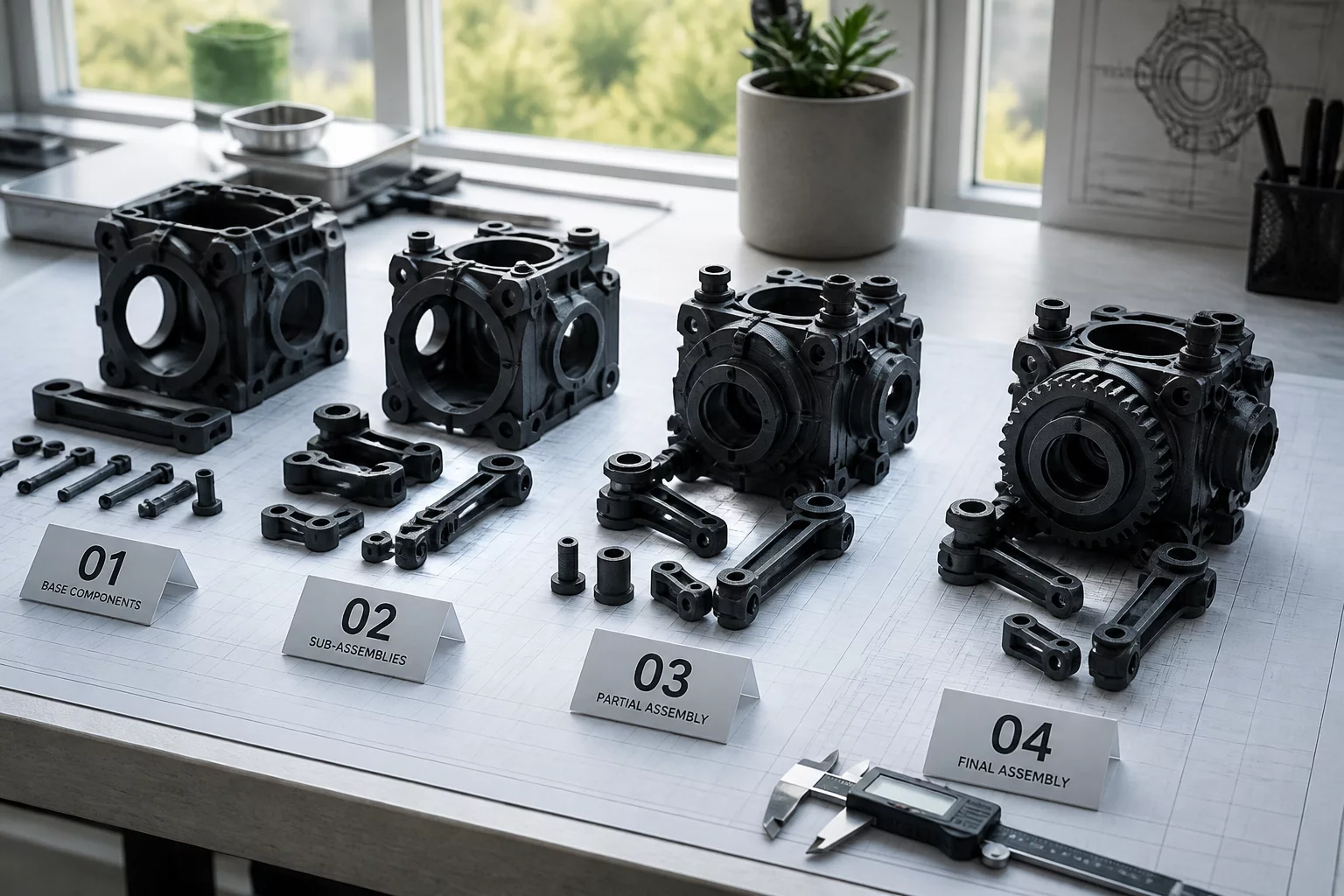
Plan multi-part projects around assembly stages, part families, reprint needs, material context, and plate purpose.
A clear operational framework for makers, product teams, and prototyping labs.
Parts combined strictly to minimize empty bed perimeter space.
Tightly nested geometry forcing multiple layer height compromises.
Leftover components without direct functional or staging continuity.
Tuned for wall perimeter strength, zero flex, and heavy load resistance.
Optimized for dimensional precision, tight tolerances, and uniform cooling.
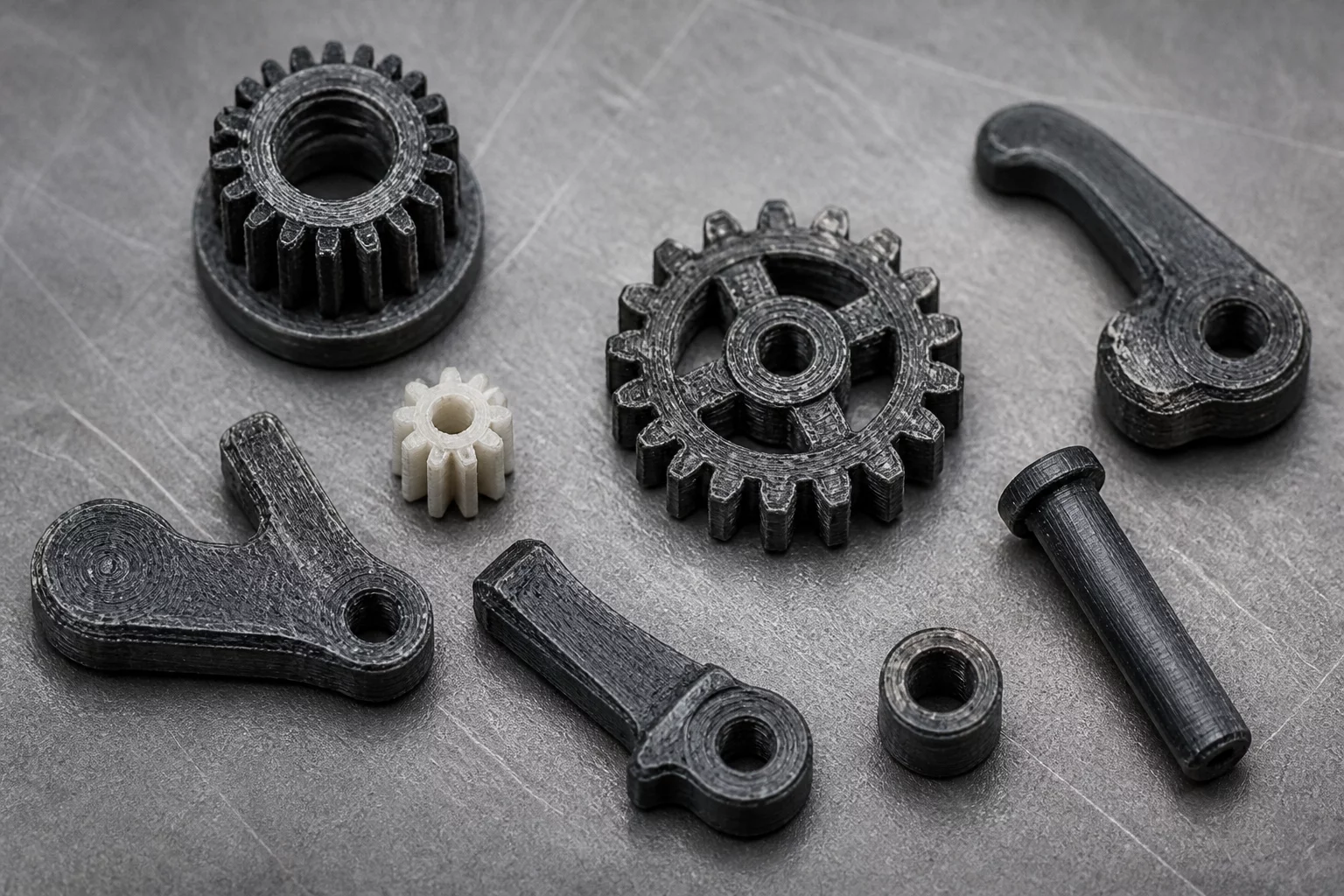
High-wear components isolated on quick removable plates for immediate service.
Physical workbench staging techniques that correspond directly with your multi-plate slicing layout.
Every build plate in a multi-component project must answer one foundational question: Why do these specific parts belong on this plate? Below is the standardized six-point documentation framework.
Every Plate Role Card standardizes cross-team handoffs so that slicing choices directly reflect physical manufacturing reality.
Why jamming 14 parts into a single build plate increases failure risk and slows down mechanical assembly.
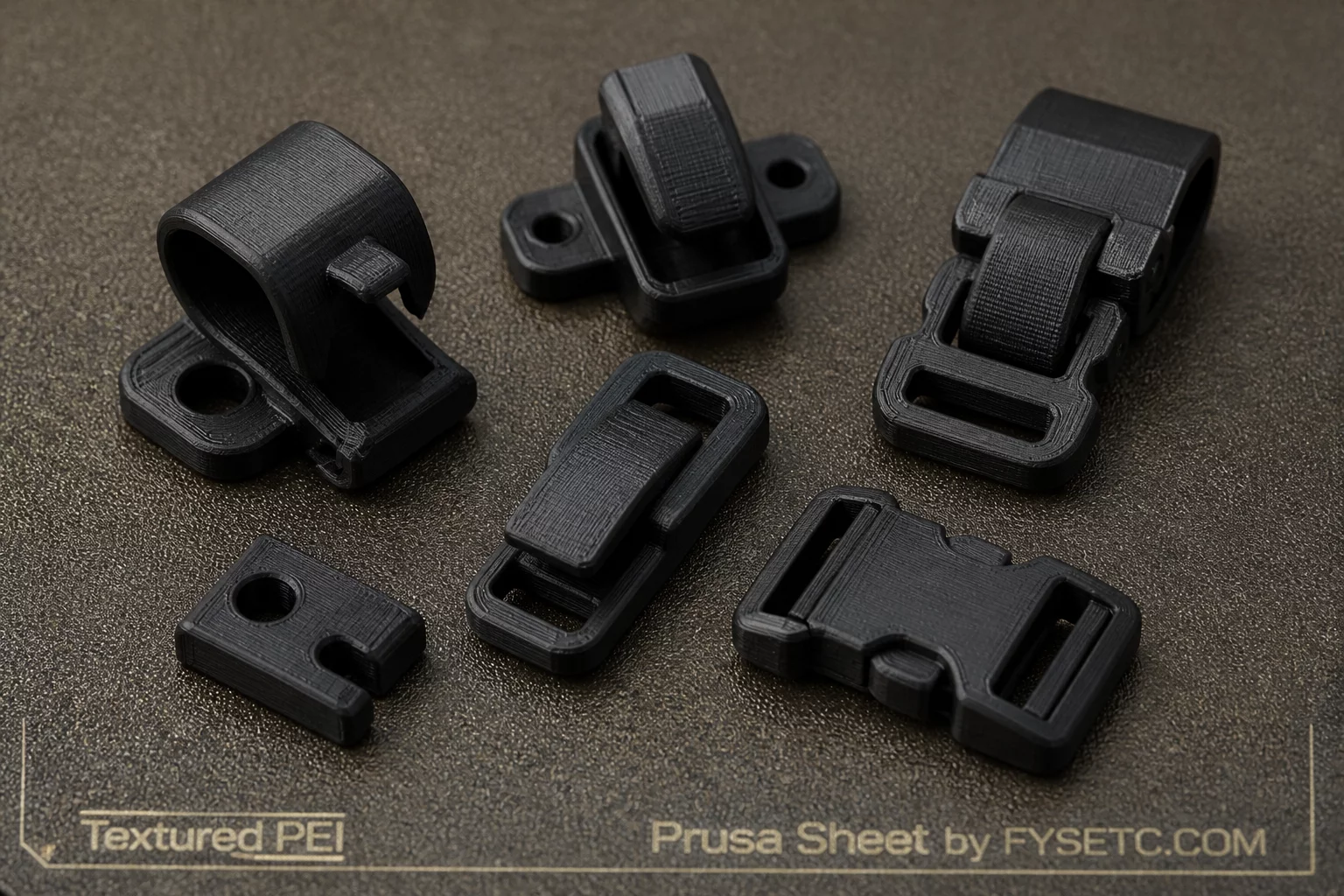
A critical comparison between functional stage grouping and geometric shape grouping for multi-part builds.
How isolating high-wear snap latches and gear teeth onto dedicated plates protects print farm production.
StagingHow to audit CAD models before slicer import to establish clear assembly stages and plate responsibilities.
IsolationThe operational protocol for keeping snap clips, pins, and friction latches segregated from main chassis.
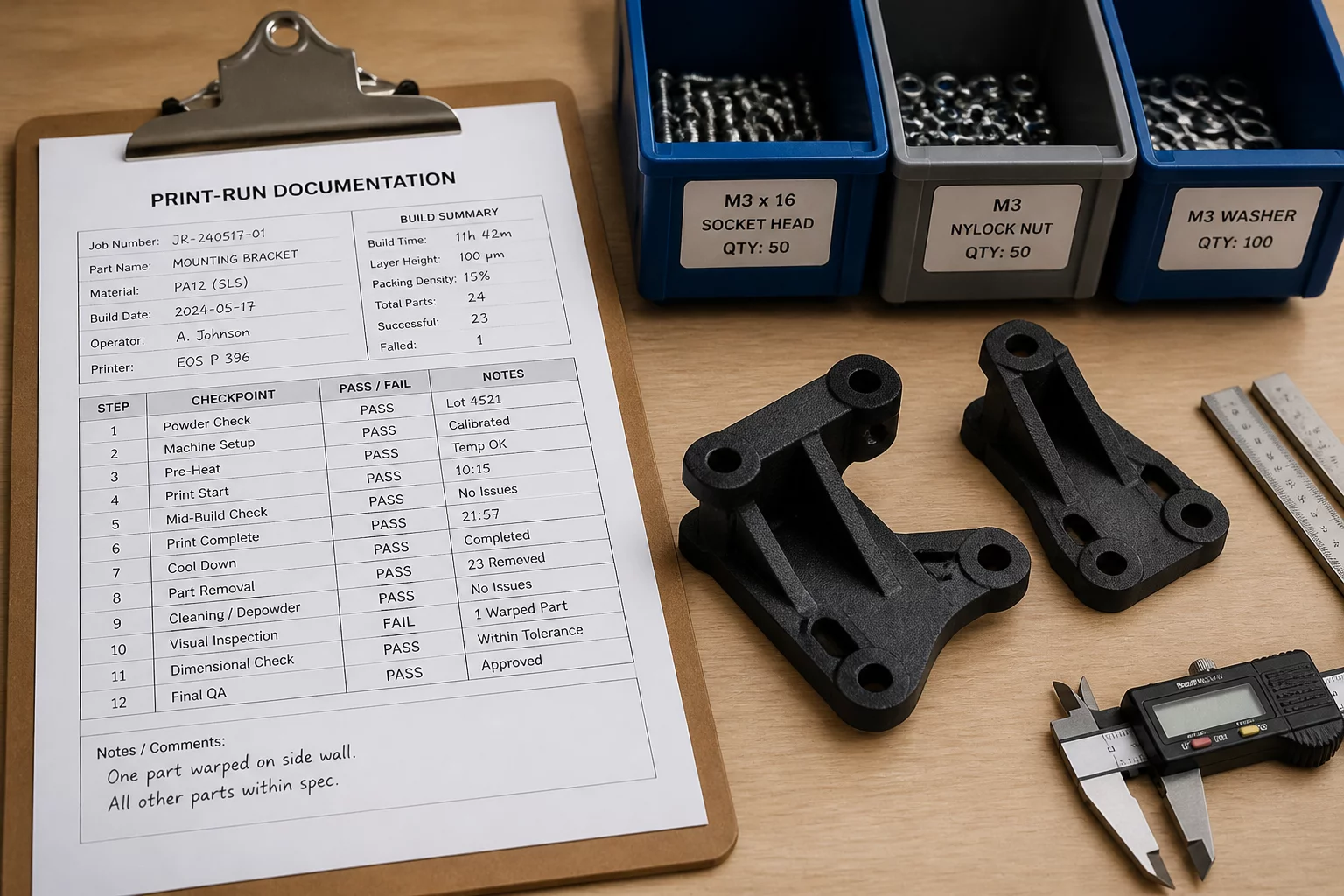
OperationsCreating plate-role sheets so junior operators can identify parts, check orientation, and stage hardware.
| Evaluation Criteria | Standard Pack-and-Fill Slicing | PlateRole Framework |
|---|---|---|
|
Part Tracking Assembly Phase
|
Random Geometric Packing
Components from disparate build phases are scrambled across beds purely to optimize square area. Finding matching joints or pins requires sorting through dozens of mixed parts on the assembly bench. |
Sub-Assembly Contiguity
Build plates mirror discrete mechanical sub-assemblies with indexed roles. Parts arrive at the workbench staged in chronological order, eliminating part identification delays. |
|
Mid-Assembly Failures Risk Profile
|
Cascading Plate Ruin
A single detached fastener or warped hinge tower at hour fourteen deposits extruded plastic over every unrelated structural component sharing the print bed, causing massive unit loss. |
Isolated Risk Partitioning
High-aspect-ratio posts, friction latches, and bulky base parts are segmented across isolated plates. A mechanical defect remains contained to its dedicated operational cycle. |
|
Material Distribution Thermal Stability
|
Mixed Filament Sprawl
Different polymer types and layer heights sit forced onto identical beds, prompting frequent thermal cycling, excessive purge tower waste, and compromised chamber temperatures. |
Polymer & Thermal Alignment
Plates are categorized by material characteristic and chamber demands. Flexible TPU gaskets, high-rigidity PETG brackets, and cosmetic covers never compete for nozzle conditions. |
|
Reprint Waste Scrap Reduction
|
Full-Batch Regeneration
Replacing a single snapped tolerance clip or worn flexure tab forces the operator to rebuild the slicer layout or rerun an entire 500-gram multi-part batch. |
Modular Wear-Part Isolation
Wear-prone components and tight-tolerance retaining pins occupy dedicated satellite plates. An isolated 20-minute job recovers the part with zero discarded collateral prints. |
|
Project Operator Handoff Quality Assurance
|
Ambiguous Slicer Files
Project files contain generic identifiers like Plate 1 and Plate 2. Secondary workshop personnel cannot confirm hardware requirements, orientation intent, or component completeness. |
Standardized Plate Roles
Every plate embeds functional role naming, staging bin destinations, and checklist manifests so any team member can verify, unload, and prepare components for final assembly. |
The Enclosure Team eliminated manual sorting entirely by partitioning mounting panels, cable glands, and structural chassis into dedicated assembly-stage build plates.
Isolating high-wear motor arms onto dedicated spare plates allowed maintenance crews to replace stress-fractured components without running entire chassis batches.
The prototyping lab completely eradicated mismatched polymer lots by enforcing discrete plate definitions mapped directly to specific material spools and toolheads.