Multi-part 3D printing build plate management
Engineering Methodology

Give Every Print Plate a Clear Role.

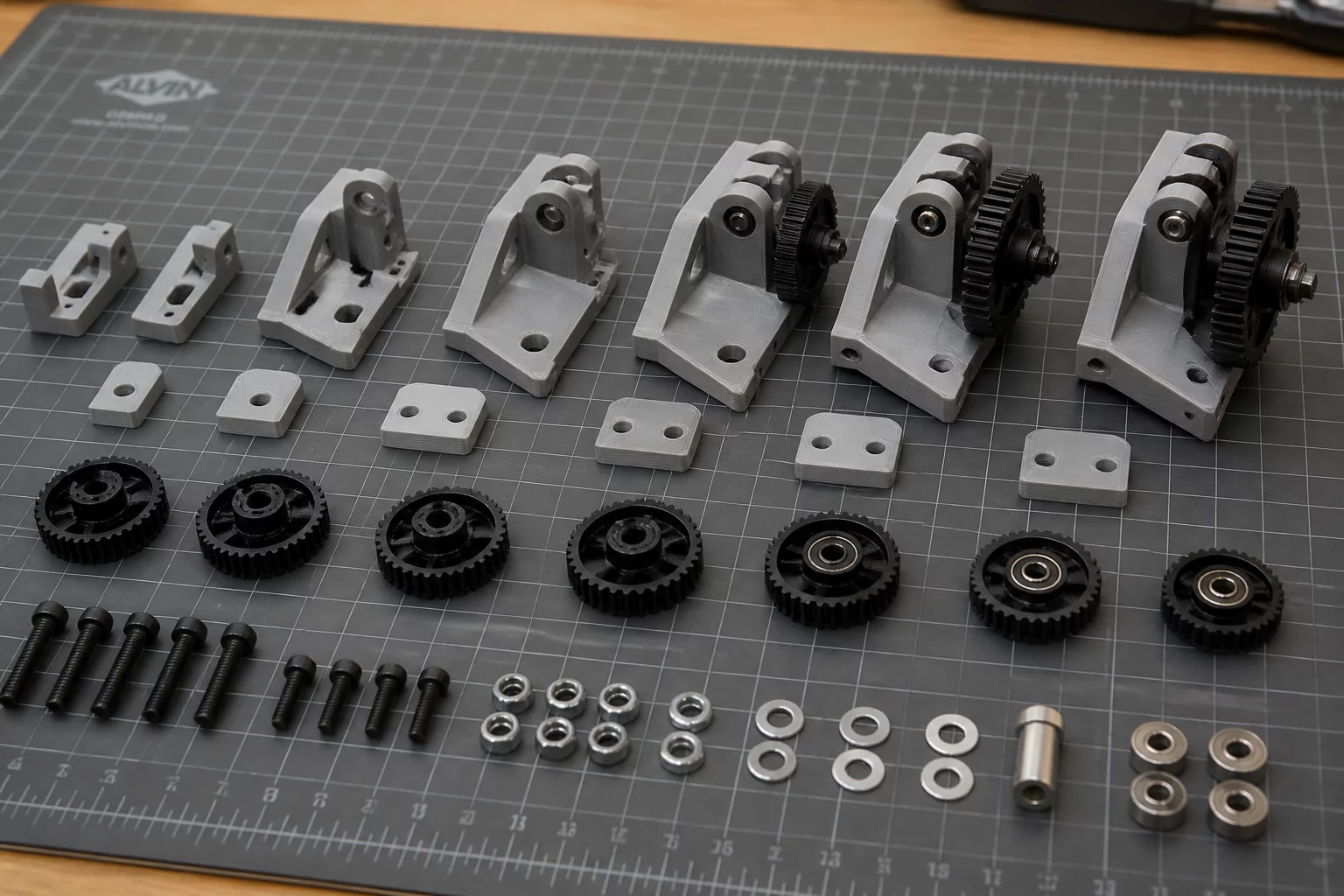
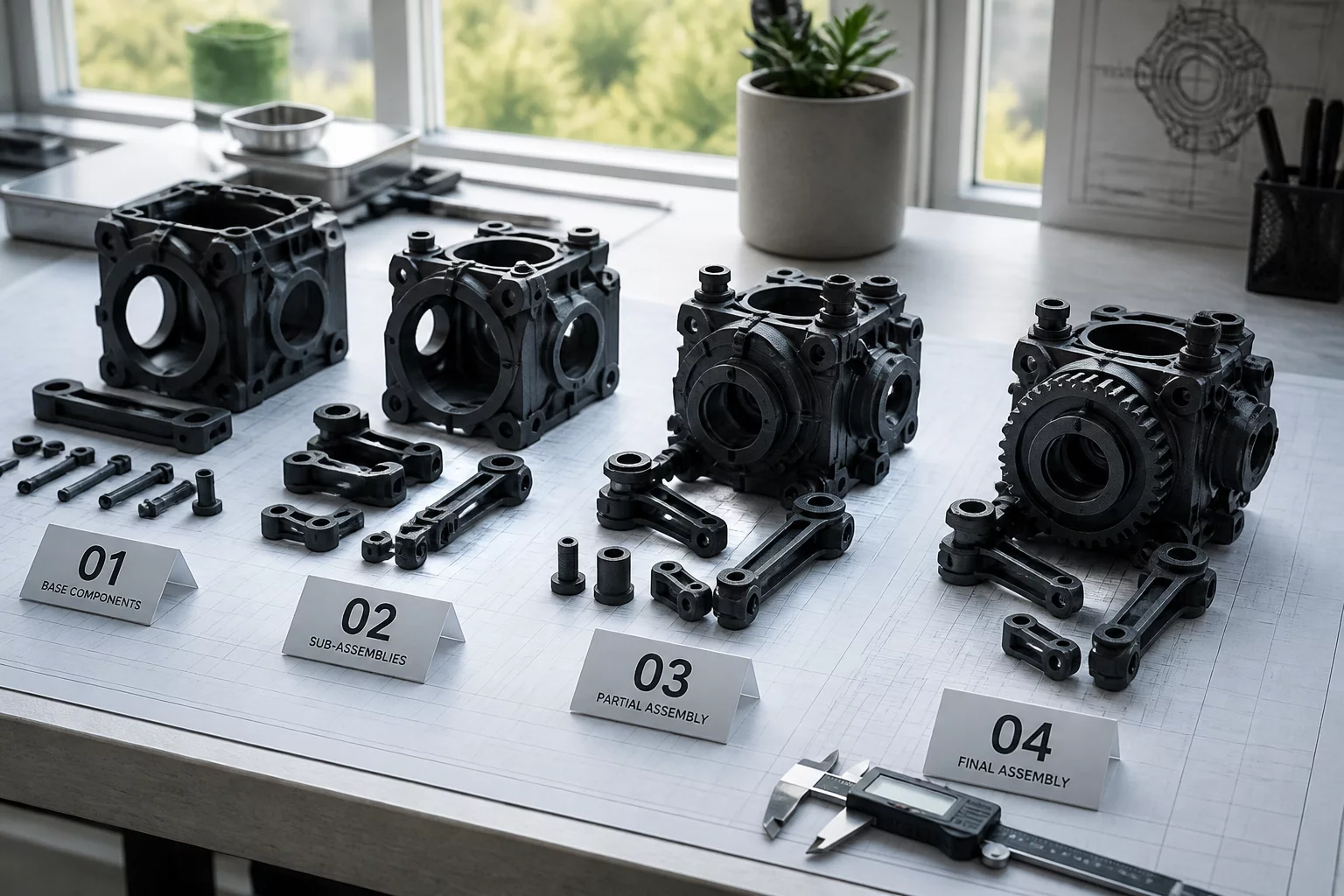
Plan multi-part projects around assembly stages, part families, reprint needs, material context, and plate purpose.

A clear operational framework for makers, product teams, and prototyping labs.

Methodology Specification

The Plate Role Card Architecture

Browse All Protocols

Every build plate in a multi-component project must answer one foundational question: Why do these specific parts belong on this plate? Below is the standardized six-point documentation framework.

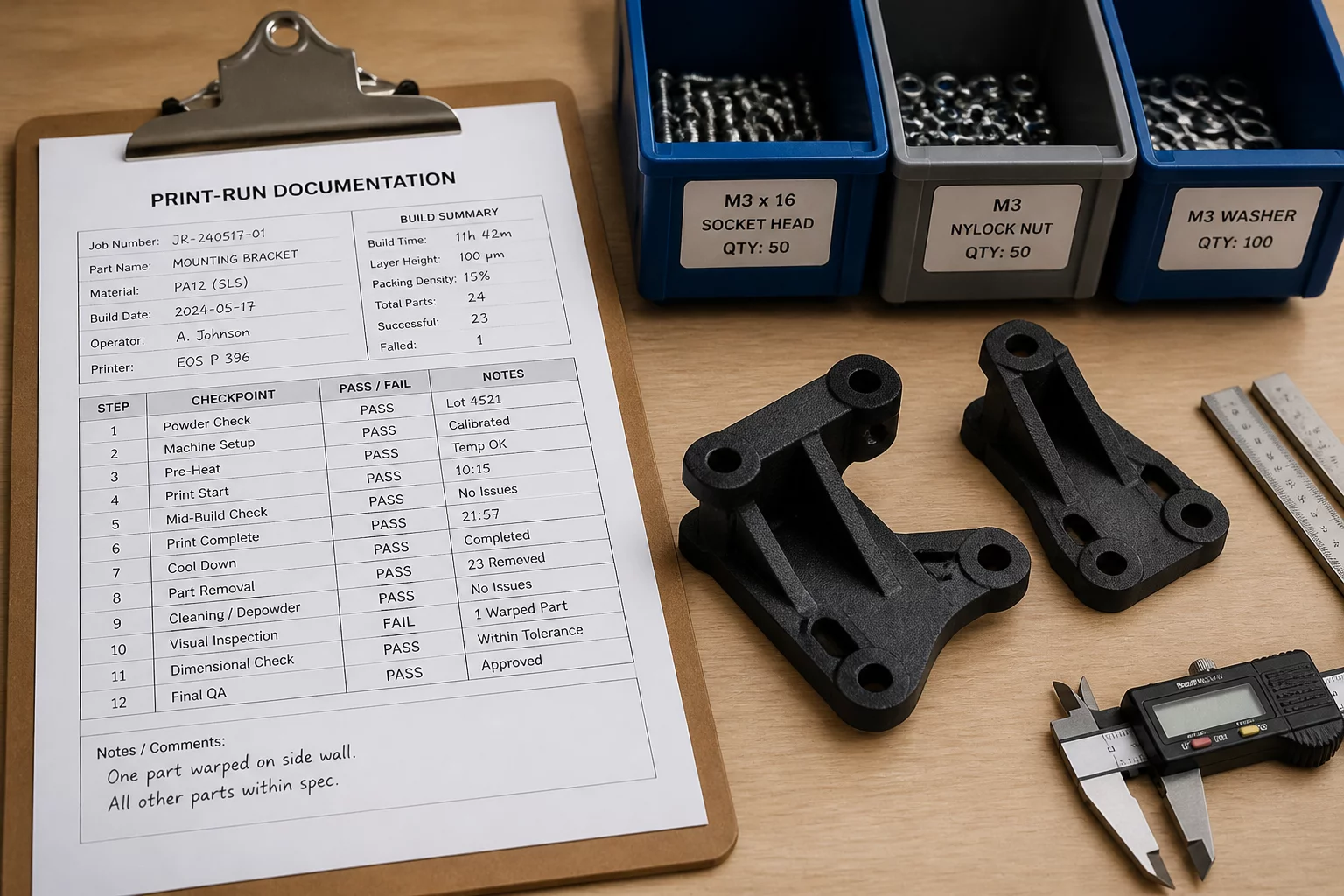
PRC-PL01Primary Chassis Enclosure
PETG-CF Stage 1 Subassembly
Parts Manifest(4 components)
Lower Chassis Tray, Upper Battery Cradle, Left Structural Rib, Right Structural Rib.
Why Together Rationale
Matched dimensional tolerance shrinkage rates across structural bounding boxes. All four parts join within the first 10 minutes of mechanical chassis assembly, preventing incomplete staged assemblies.
Material & Thermal Context
80°C Textured PEI Bed, identical volumetric extrusion limit (14mm³/s), single 0.4mm hardened steel nozzle flow calibration.
Reprint Consequence
Low wear risk. Should a mechanical failure occur in field service, chassis tray cannot be replaced without complete unit teardown.

6 Mandatory Card Parameters

Every Plate Role Card standardizes cross-team handoffs so that slicing choices directly reflect physical manufacturing reality.

1. Plate IDSyntax: PRC-PL##
Machine-readable identifier tying CAD files, slicer plates, and physical storage bins together.
2. Parts ListExplicit Manifest
Precise component naming matching the bill of materials, including orientation and instance count.
3. Why TogetherCore Justification
The explicit mechanical reason these items share bed area instead of being batched elsewhere.
4. Assembly StageStep Sequence
Which assembly step this plate unblocks: Stage 1 Subassembly, Stage 2 Kinematics, or Final Dress.
5. Material ContextThermal Settings
Polymer type, bed temperature, chamber conditions, and nozzle diameter specifications.
6. Reprint ConsequenceRisk Isolation
Evaluates cost and downtime if 1 part fails or wears out. Segregates expendables from bulk geometry.
Editorial Guidelines

Plate Architecture Principles

Project Management

Workflow Execution Guides

View All
Methodology Comparison

Pack-and-Fill Slicing vs. PlateRole Framework

Workflow Guides
Detailed feature comparison between standard pack-and-fill slicing and the PlateRole structured engineering framework
Evaluation Criteria Standard Pack-and-Fill Slicing PlateRole Framework
Part Tracking
Assembly Phase
Random Geometric Packing

Components from disparate build phases are scrambled across beds purely to optimize square area. Finding matching joints or pins requires sorting through dozens of mixed parts on the assembly bench.

Sub-Assembly Contiguity

Build plates mirror discrete mechanical sub-assemblies with indexed roles. Parts arrive at the workbench staged in chronological order, eliminating part identification delays.

Mid-Assembly Failures
Risk Profile
Cascading Plate Ruin

A single detached fastener or warped hinge tower at hour fourteen deposits extruded plastic over every unrelated structural component sharing the print bed, causing massive unit loss.

Isolated Risk Partitioning

High-aspect-ratio posts, friction latches, and bulky base parts are segmented across isolated plates. A mechanical defect remains contained to its dedicated operational cycle.

Material Distribution
Thermal Stability
Mixed Filament Sprawl

Different polymer types and layer heights sit forced onto identical beds, prompting frequent thermal cycling, excessive purge tower waste, and compromised chamber temperatures.

Polymer & Thermal Alignment

Plates are categorized by material characteristic and chamber demands. Flexible TPU gaskets, high-rigidity PETG brackets, and cosmetic covers never compete for nozzle conditions.

Reprint Waste
Scrap Reduction
Full-Batch Regeneration

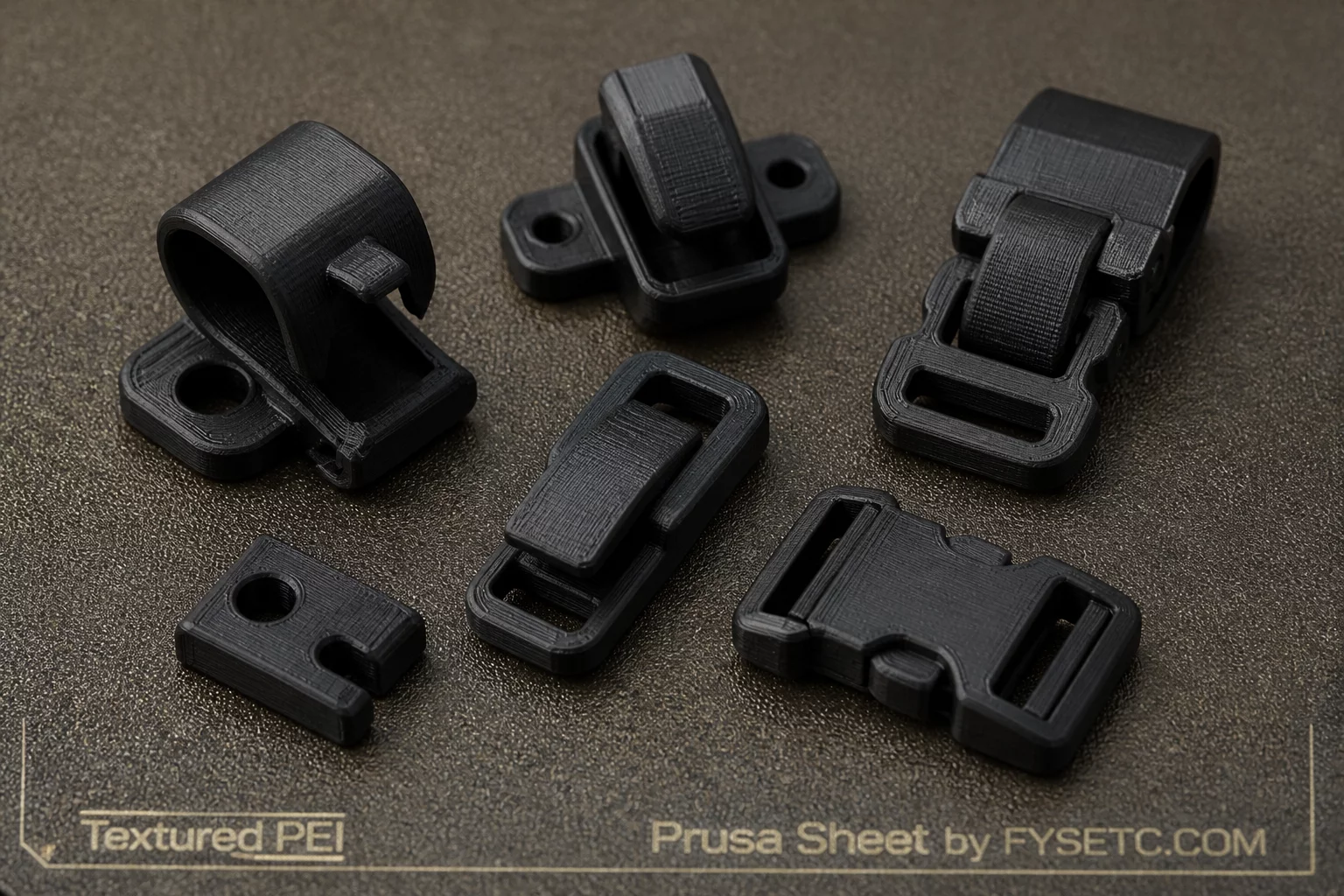
Replacing a single snapped tolerance clip or worn flexure tab forces the operator to rebuild the slicer layout or rerun an entire 500-gram multi-part batch.

Modular Wear-Part Isolation

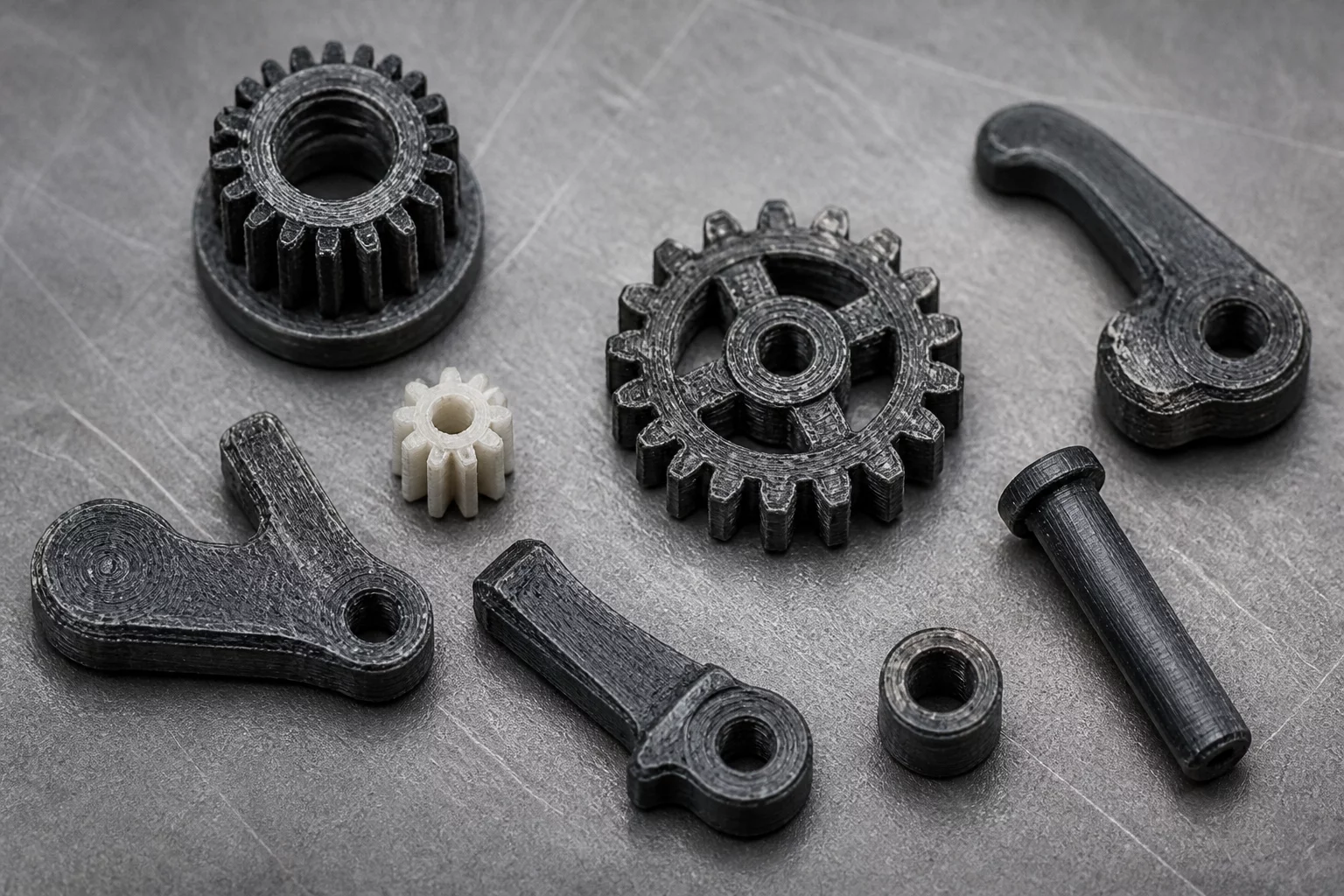
Wear-prone components and tight-tolerance retaining pins occupy dedicated satellite plates. An isolated 20-minute job recovers the part with zero discarded collateral prints.

Project Operator Handoff
Quality Assurance
Ambiguous Slicer Files

Project files contain generic identifiers like Plate 1 and Plate 2. Secondary workshop personnel cannot confirm hardware requirements, orientation intent, or component completeness.

Standardized Plate Roles

Every plate embeds functional role naming, staging bin destinations, and checklist manifests so any team member can verify, unload, and prepare components for final assembly.

Production Benchmarks

Documented Operational Assembly Outcomes

Enclosure Cell -100% Time
0 min
Post-Print Sorting Time
Previous Clustered Plate: 42 minutes
Role-Mapped Multi-Plate: 0 minutes

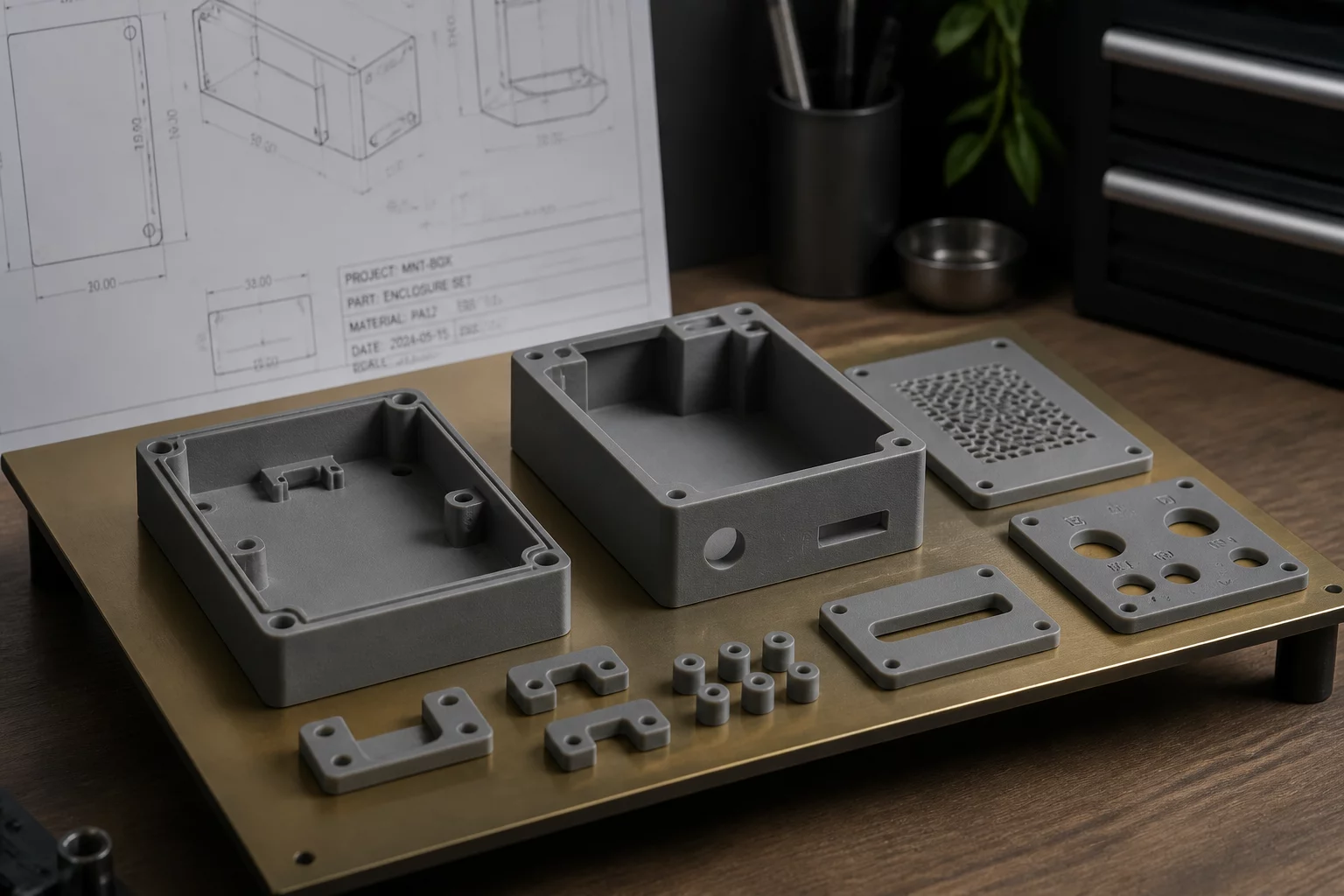
The Enclosure Team eliminated manual sorting entirely by partitioning mounting panels, cable glands, and structural chassis into dedicated assembly-stage build plates.

Drone Rig Unit -65% Material
65% Saved
Filament on Replacement Runs
Full Batch Re-Run: 410g Filament
Isolated Arm Plate: 142g Filament

Isolating high-wear motor arms onto dedicated spare plates allowed maintenance crews to replace stress-fractured components without running entire chassis batches.

Hardware Prototyping 100% Match
0 Errors
Color & Filament Deviations
Mixed Spool Assignments: 38% Batch Reject
Role-Bound Spool Plates: Zero Rejection

The prototyping lab completely eradicated mismatched polymer lots by enforcing discrete plate definitions mapped directly to specific material spools and toolheads.

Audit-Verified Metrics Across Multi-Plate Projects
Based on physical bench runs, filament mass logs, and technician handoff timings.
View Management Guide
Workflow Bulletins

Engineering Checklists for Multi-Plate Builds

Receive independent multi-part print scheduling protocols, open-source slicer workflow updates, and bed allocation blueprints directly to your inbox.

Stage-Gated Plate Sheets

Checklists to group mechanical components by assembly stage before starting the queue.

Open Slicer Workflows

Independent plate naming and orientation rules for modern multi-plate slicers.

Strict Technical Rigor

Bi-weekly technical dispatches only. No promotional spam, one-click opt-out anytime.

Join the Notebook Dispatch

Enter your primary engineering contact details below.

Zero tracker scripts. Unsubscribe with one click.